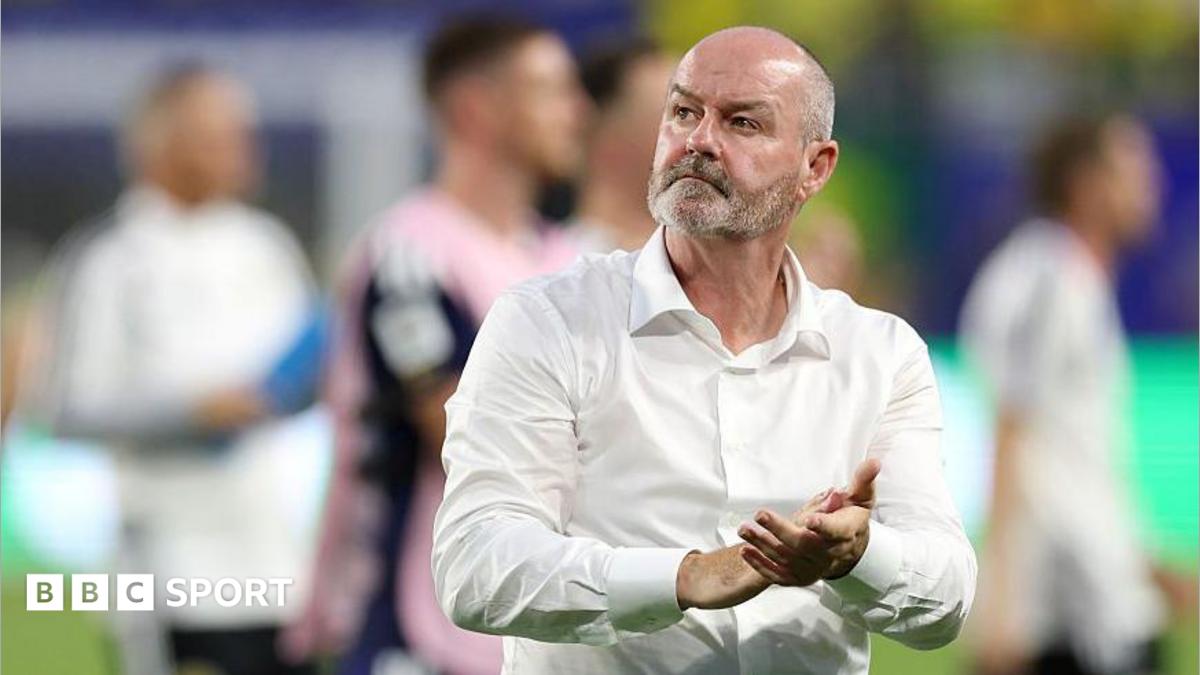
Steve Clarke has already achieved one of the defining milestones of his Scotland tenure by ending the national team’s long World Cup absence. But the bigger question now is whether this campaign can still be framed as progress if the route to the knockout stage depends on a chain of results Scotland cannot control.
The draw itself explains why the task has become so difficult. Scotland landed in a group containing Brazil and Morocco, who were placed fifth and sixth in FIFA’s rankings at the time. In a tournament where the expanded format has raised expectations for more teams to survive the first phase, this was still a punishing assignment. No other group contained two sides from the top 10, which underlines just how unforgiving Scotland’s path was from the outset.
A harsh draw leaves little margin for error
For supporters, the immediate emotion is likely to be frustration mixed with realism. Scotland’s return to the World Cup should have been a moment to build momentum and belief, yet the structure of the group means the team’s fate may be decided as much by other fixtures as by their own performances. That is rarely a comfortable position for any manager, especially one who has worked to restore Scotland’s standing on the international stage.
Clarke’s achievement should not be dismissed. Ending a long drought matters because it resets expectations, gives the squad exposure to elite opposition and keeps the national team relevant on the biggest stage. But football’s harshest truth is that progress is often judged not only by qualification, but by what follows once the tournament begins. If Scotland cannot turn this campaign into a genuine knockout challenge, the conversation will quickly shift from celebration to whether the team has plateaued.
What this means for Clarke and Scotland
That makes the next phase significant for Clarke’s wider legacy. He has delivered stability and a sense of direction, but international management is often defined by whether a coach can convert structural improvement into tournament results. Against opponents of Brazil and Morocco’s calibre, Scotland’s tactical discipline, defensive organisation and ability to stay competitive in key moments will be central to any chance of extending the campaign.
Even if the mathematics eventually go against Scotland, the broader lesson may still matter. Reaching the World Cup after such a long wait is evidence that Clarke has moved the team forward. The challenge now is to ensure that the campaign is remembered not simply as a return to the tournament, but as a platform for the next stage of Scotland’s development.
Source note: This article was prepared using publicly available information from BBC Sport and expanded with editorial context.
Share this content: