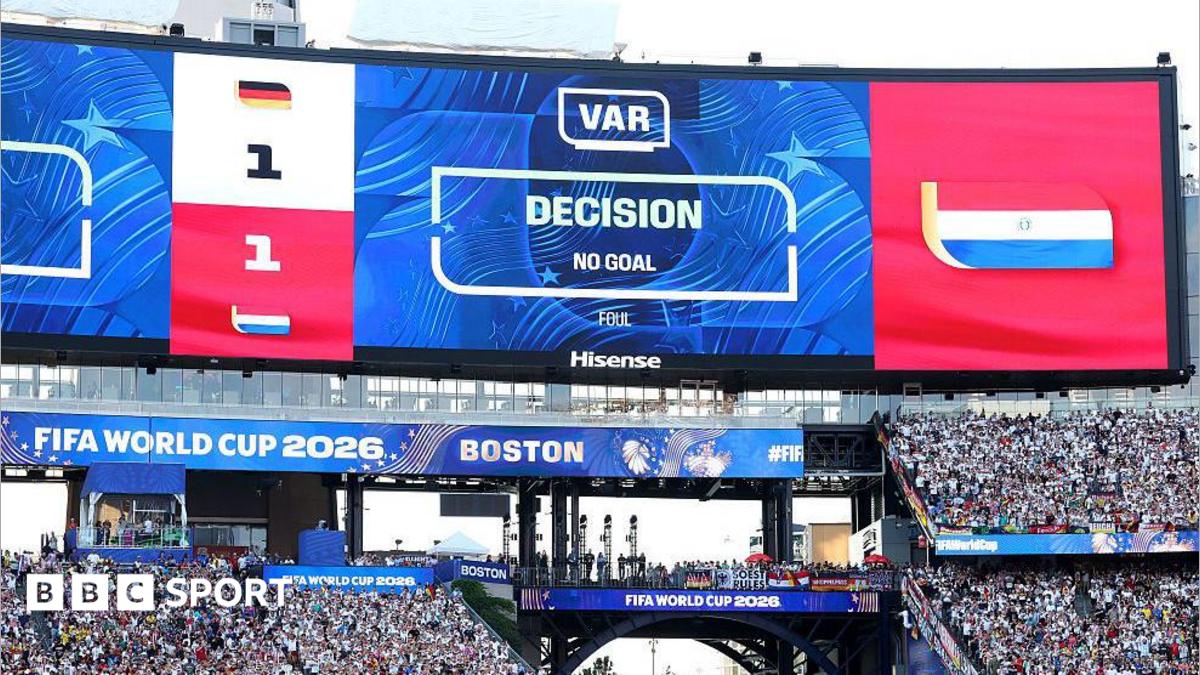
Germany’s World Cup tie with Paraguay was decided as much by the video review system as by the action on the pitch, after Jonathan Tah’s extra-time header was ruled out and the match swung back into controversy. What looked like a decisive 2-1 lead in the 12th minute of extra time was wiped away by VAR, leaving Germany to absorb the frustration of a moment that may have altered the outcome of the game.
VAR once again at the centre of the story
The BBC report makes clear that Germany believed they had escaped the pressure of a late twist when Tah rose highest to score. Instead, the intervention from the video assistant referee turned celebration into disbelief. For supporters, this is the kind of incident that reignites the wider debate around VAR: when the technology is used to correct clear errors, and when it becomes a source of confusion, delay and anger.
In a knockout-style environment, or any match where margins are thin, a disallowed goal in extra time carries enormous weight. Germany were not just denied a lead; they were denied the emotional lift that comes with scoring late in a tense contest. That matters tactically as well as psychologically, because teams that think they are ahead can immediately shift into game management mode, while the side under pressure is forced to chase.
What it means for Germany and their supporters
Jonathan Tah’s involvement is notable because defenders scoring in decisive moments often change the rhythm of a match. A centre-back goal from a set piece can be the product of a team’s planning and persistence, and Germany appeared to have found that breakthrough at exactly the right time. The disallowance, however, left the result hanging on the interpretation of the officials rather than the finish itself.
For Germany supporters, the bigger issue is not only the single incident but the familiar feeling that VAR can dominate the narrative of major tournaments. Whether fans view the decision as correct or not, the BBC’s framing suggests the ruling was seen as a costly one for Germany and a fresh flashpoint in the ongoing discussion about how football should use technology.
At a tournament level, these moments shape how teams are remembered. A late goal can become the defining image of a match; a late disallowed goal can become the controversy that lingers long after the final whistle. In Germany’s case, Tah’s header will be remembered less for the finish itself than for the review that erased it.
Source note: This article was prepared using publicly available information from BBC Sport and expanded with editorial context.
Share this content: