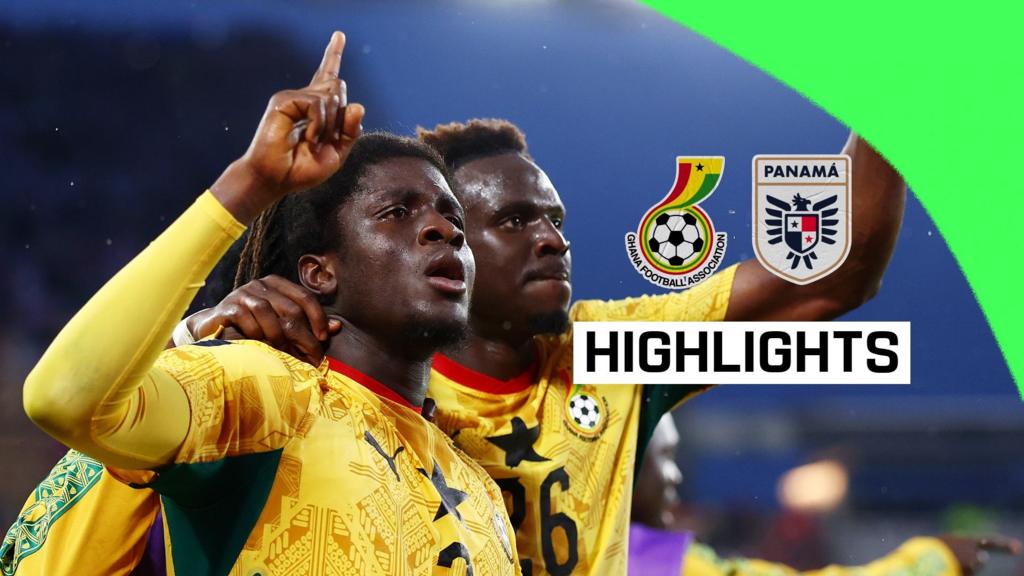
Ghana produced a dramatic late finish in Toronto, with Caleb Yirenkyi scoring in the 95th minute to secure a result that will sting Panama and delight Ghanaian supporters. In a game decided at the very end, Ghana found the decisive moment when Panama were on the verge of taking a historic first World Cup point.
The result matters not only because of the timing, but because of what it says about tournament football: margins are tiny, concentration has to last until the final whistle, and one lapse can undo an entire match plan. For Panama, the defeat is especially painful because the chance to leave with a landmark point slipped away in stoppage time. For Ghana, it is the kind of late intervention that can shape momentum, confidence and belief in a competition where every point carries weight.
Late goals change tournament narratives
Stoppage-time winners often do more than decide a single match. They can alter the mood around a squad, strengthen a team’s identity and give supporters a moment they remember long after the final whistle. Ghana’s winner fits that pattern. Even without a full statistical breakdown from the source, the key fact is clear: the match was still alive deep into added time, and Ghana were the side that found the decisive touch.
For Panama, the disappointment will be magnified by the context. A first World Cup point is the sort of milestone that can validate progress and reward years of development. To miss out so late is a harsh reminder of how unforgiving the international stage can be, particularly against opponents who stay composed under pressure.
What it means for Ghana and Panama
From Ghana’s perspective, the winner could prove important beyond the scoreboard. Late victories tend to build trust within a squad, especially in tightly contested tournament settings where games are often settled by one moment of quality or one defensive error. Supporters will see the goal as evidence that the team can keep pushing until the end.
For Panama, the lesson is equally clear: managing the closing stages is as important as creating chances earlier in the match. A side that is close to a breakthrough must still protect itself against one final attack, one second ball or one decisive run. That is the brutal edge of World Cup football, and Toronto delivered it in full.
Yirenkyi’s 95th-minute strike will therefore be remembered not just as a winner, but as a moment that defined the emotional balance of the match. Ghana walked away with the reward; Panama walked away with the frustration of being so close to a historic first point and leaving empty-handed instead.
Source note: This article was prepared using publicly available information from BBC Sport and expanded with editorial context.
Share this content: