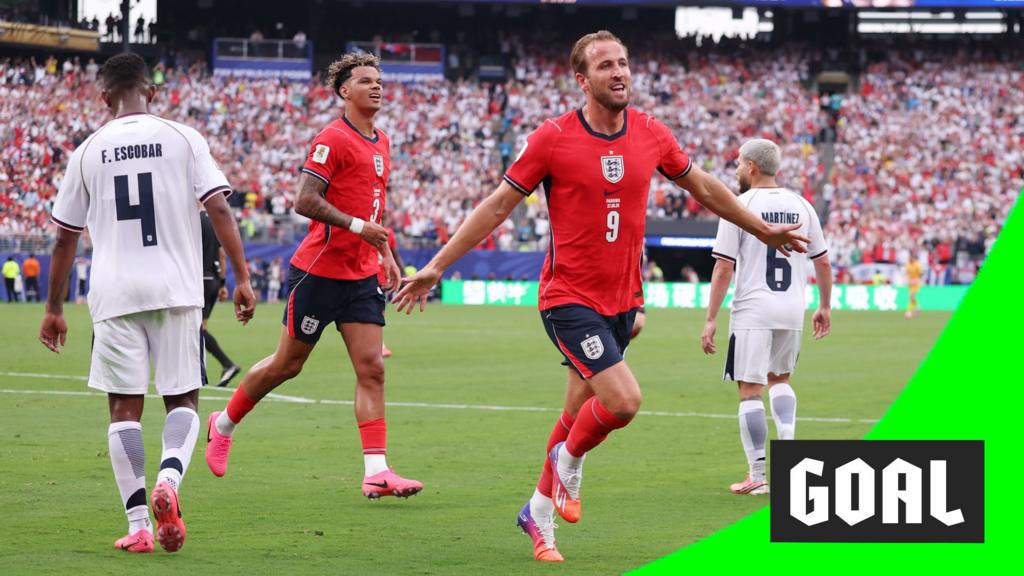
Harry Kane has added another major entry to his England legacy, scoring his 11th World Cup goal to move past Gary Lineker as the nation’s all-time leading scorer in the competition. The milestone came as England built a 2-0 lead against Panama, underlining both Kane’s reliability on the biggest stage and England’s control of the contest.
For England supporters, this is more than a statistical footnote. Kane’s record places him in a category that has long carried symbolic weight in English football, especially at a tournament where goals are remembered for decades. Lineker’s name has been tied to World Cup excellence since the 1980s, so Kane’s move beyond that mark reinforces how central he has become to England’s modern tournament identity.
Kane’s record reflects England’s tournament dependence
England have often relied on Kane to provide the decisive edge in major competitions, and this latest goal is another reminder of his value when matches tighten. A striker who can score consistently at World Cups changes the way opponents defend, and it gives England a dependable focal point whether they are chasing a game or protecting a lead.
The significance also stretches beyond the individual. When a team’s captain and leading scorer is producing in tournament football, it usually points to a side with a clearer attacking structure and a stronger chance of progressing deep into the competition. Kane’s record therefore matters not only for his personal standing, but for England’s wider ambitions.
What the 2-0 lead means for England
Against Panama, England’s two-goal advantage suggests a match state that should allow them to manage the tempo and reduce risk. In tournament football, early control can be just as valuable as late drama, particularly when goal difference, confidence and squad rotation can all influence the shape of a group campaign.
For Panama, conceding twice to England’s attack leaves them with a difficult tactical task. They must find a way back into the game without opening too much space for England’s forwards, and that balance is rarely easy against a side with Kane in scoring form.
For England fans, the immediate takeaway is simple: their captain is still delivering on the World Cup stage, and the team is in a strong position in the match. For Kane, the record is another marker of a career defined by consistency, composure and an ability to score when the spotlight is brightest.
It is the kind of moment that strengthens a player’s place in national-team history while also reminding supporters that, in tournament football, a proven finisher can shape both the narrative and the result.
Source note: This article was prepared using publicly available information from BBC Sport and expanded with editorial context.
Share this content: