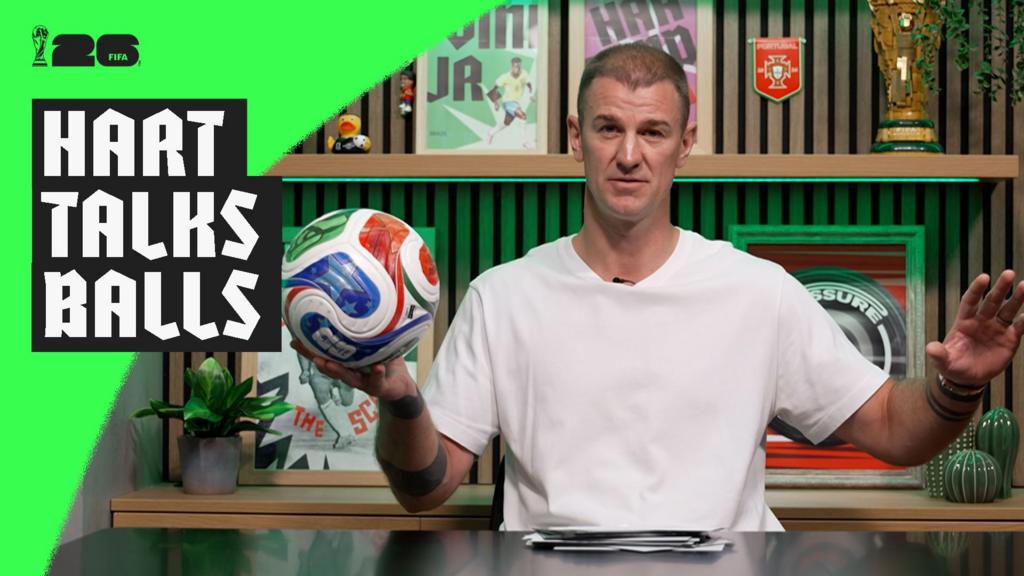
Joe Hart’s latest BBC Sport appearance puts a familiar tournament debate back in the spotlight: whether the World Cup ball is giving goalkeepers more to think about than usual. The former England number one is asked to explain the Trionda ball and why it may be influencing how keepers judge flight, bounce and movement at the tournament.
For supporters, this is more than a technical discussion. At major tournaments, small details can shape outcomes, and the ball is one of the few variables every team must adapt to immediately. If goalkeepers are finding the Trionda harder to read, that can affect how confidently they come for crosses, deal with shots from distance and organise their defensive line under pressure.
Why the World Cup ball matters
Ball design has long been a talking point in international football because even subtle changes can alter the way matches feel. Goalkeepers are usually the first to notice those differences. A ball that moves differently in the air or behaves unpredictably off the turf can turn routine actions into uncertain ones, especially in high-stakes knockout football where one error can decide a game.
Hart’s perspective is useful because he understands the position from the inside. As a former England goalkeeper, he knows how much preparation goes into reading a ball correctly and how quickly confidence can be affected when the flight is not quite what a keeper expects. That is why this BBC discussion resonates beyond a simple equipment debate: it speaks to the margins that separate control from chaos at elite level.
What it could mean for teams and supporters
If the Trionda ball is proving awkward for goalkeepers, attacking players may look to test that uncertainty with more shots from range, more deliveries into crowded penalty areas and more pressure on set pieces. Tournament football often rewards teams that adapt fastest, and any side that settles better into the ball’s behaviour could gain a practical edge.
For fans, the issue adds another layer to watching the World Cup. Every save, spill and punch becomes part of a wider conversation about adaptation and preparation. Hart’s explanation helps frame why a ball can become a tactical story rather than just a piece of equipment, and why goalkeepers often sit at the centre of that debate.
The BBC’s focus on the Trionda ball also underlines how finely balanced World Cup football can be. When margins are small, even the feel of the ball can matter. That is why Hart’s comments are likely to interest both goalkeeping specialists and casual viewers looking for clues about why some matches feel harder to control than others.
Source note: This article was prepared using publicly available information from BBC Sport and expanded with editorial context.
Share this content: