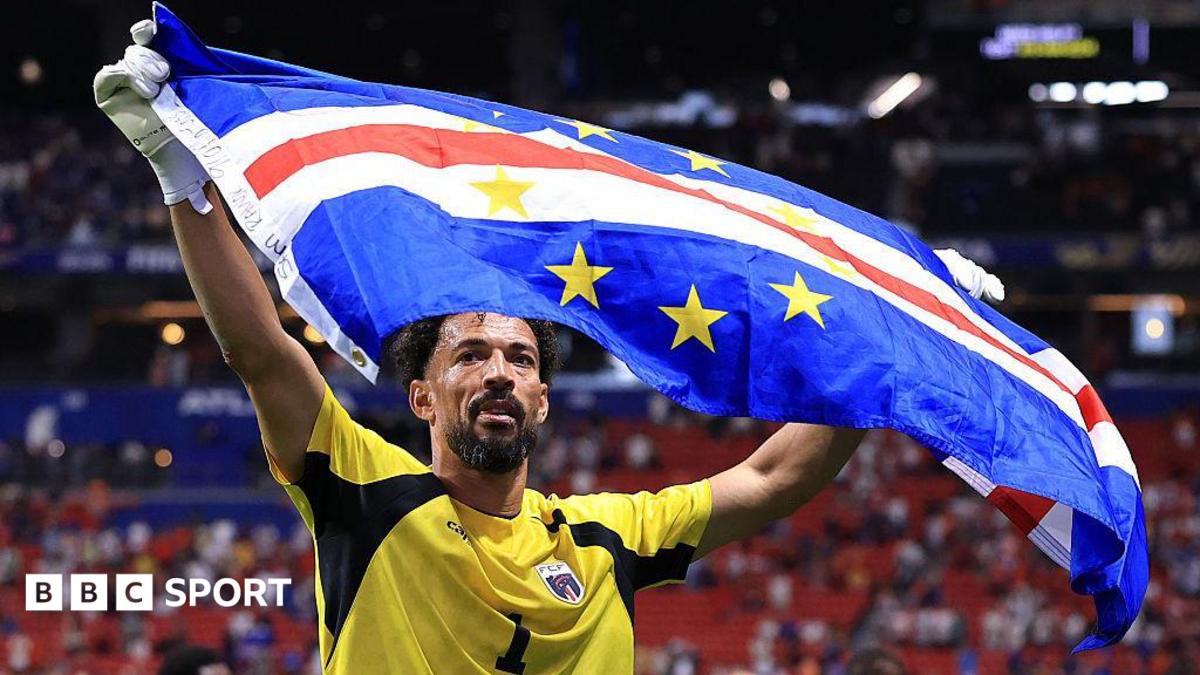
The expanded 48-team World Cup is already producing one of the tournament’s most interesting early themes: lower-ranked nations are proving harder to beat than many expected. Rather than being overwhelmed by elite opposition, several underdogs have delivered disciplined, competitive performances that have kept matches alive for longer and, in some cases, forced the footballing giants to work far harder than usual.
That matters because World Cups are often judged not only by who wins, but by how the gap between the established powers and the rest of the field narrows under pressure. In a larger tournament, with more nations involved and more styles colliding, the margins can become thinner. Teams that arrive with clear structure, strong organisation and a willingness to defend compactly can make life uncomfortable for technically superior opponents.
Why the underdogs are competing better
BBC Sport’s analysis points to the fact that this edition has already delivered several notable performances from lower-ranked sides against the world’s top teams. That suggests the tournament is offering more than just one-off surprises. It is also highlighting how preparation, tactical discipline and collective belief can reduce the advantage traditionally held by the favourites.
For supporters of underdog nations, that is a significant development. It gives smaller footballing countries a genuine sense that they can compete on the biggest stage without needing to dominate possession or outplay stronger opponents for long spells. A well-drilled defensive block, quick transitions and set-piece threat can be enough to change the tone of a match and create real pressure on a heavyweight side.
What it means for the tournament
For the bigger nations, the message is equally clear: reputation alone will not be enough. In a World Cup with more teams and more varied opposition, the favourites may need to be more patient, more precise and more adaptable than in previous editions. Matches that once looked routine can quickly become tense if an underdog stays organised and believes the game is still there to be taken.
That is part of what makes this World Cup compelling. The expanded format is not just increasing the number of games; it is also creating more opportunities for tactical friction, unexpected resistance and momentum swings. If the early signs continue, supporters could be in for a tournament where the underdogs are not merely participating, but actively shaping the story of the competition.
BBC Sport’s piece frames this as a broader question about why these lower-ranked teams are succeeding so well. The answer appears to lie in a combination of structure, confidence and the changing dynamics of a bigger World Cup stage.
Source note: This article was prepared using publicly available information from BBC Sport and expanded with editorial context.
Share this content: