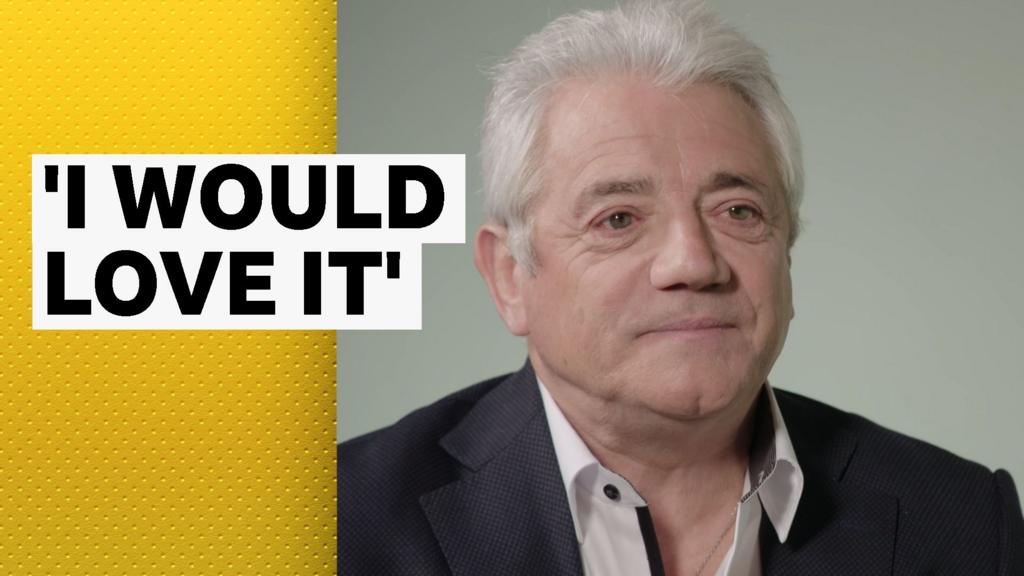
Kevin Keegan’s place in English football is built on more than trophies or headlines. In a Football Focus interview with Dan Walker recorded in 2018, he looked back on the moments that shaped a career spanning elite playing success, high-pressure management and a lasting connection with supporters across the country.
The interview is a reminder of why Keegan remains such a significant figure for fans of Newcastle United, Liverpool and England. He was not only one of the most recognisable players of his era, but also a manager whose personality often became part of the story. That blend of achievement and emotion is a big reason his name still resonates whenever his career is revisited.
A career defined by impact, not just medals
Keegan spoke about winning World Player of the Year twice, a rare level of individual recognition that underlines how highly he was regarded beyond English football. For supporters, that matters because it places him among the game’s elite at a time when British players were still fighting for wider international acclaim.
His legacy is also tied to the clubs and teams he represented. At Liverpool, he became part of one of the most successful eras in the club’s history. At Newcastle, he later took on a different role, becoming the face of a period that carried huge emotional weight for the fanbase. And with England, he carried the expectations that come with managing the national side, where every decision is magnified.
Why the 1995-96 remark still endures
The interview also revisited the famous “I would love it” line from the 1995-96 season, a phrase that has outlived the moment itself and become part of football folklore. That is important because it shows how Keegan’s career was never just about results; it was also about personality, pressure and the way football stories are remembered.
For modern supporters, the appeal of Keegan’s story is that it bridges eras. He represents a time when football was becoming more commercial and more media-driven, yet still felt intensely personal. His reflections in the interview offer context for why he is remembered not simply as a former player or manager, but as a figure who helped define how English football could feel.
With the BBC video resurfacing interest in his career, the broader significance is clear: Keegan’s legacy is measured in influence as much as achievement. For fans, that is often the strongest kind of football memory.
Source note: This article was prepared using publicly available information from BBC Sport and expanded with editorial context.
Share this content: