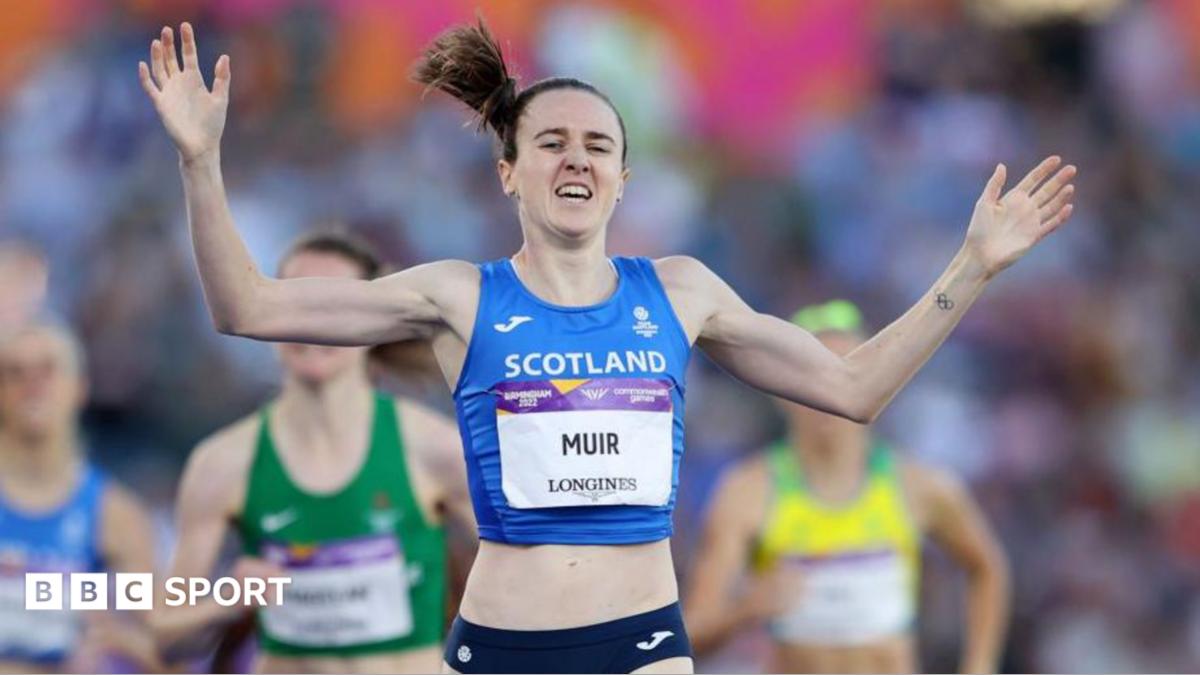
Laura Muir’s decision to target the 5,000m at the Glasgow Commonwealth Games gives Scotland’s home crowd a headline act and underlines how carefully the middle- and long-distance star is mapping the next phase of her career. For a runner who has spent years operating at the sharp end of global championships, the event is not just another appearance on the calendar; it is part of a wider build toward the biggest targets in the sport, including the run-in to the 2028 Olympics.
A home Games with added significance
Competing in Glasgow adds a layer of significance for Muir, who will carry the expectations that come with being one of Scotland’s most recognisable athletes. The BBC report says she intends to use the Games as part of a plan to be “as strong as possible” for the major events ahead. That framing matters. It suggests the 5,000m is being approached not as a standalone objective, but as a key test of fitness, endurance and race sharpness against the backdrop of a long-term championship cycle.
For supporters, that is encouraging. Home major events often become defining moments for athletes, especially when they are already established names. Muir’s presence should lift the profile of the athletics programme in Glasgow and give Scottish fans a genuine medal storyline to follow. It also reflects the reality of elite distance running: success is rarely built on one race alone, but on a sequence of carefully chosen competitions that sharpen an athlete for the biggest stages.
Why the 5,000m matters in the wider picture
The 5,000m is a demanding event that rewards tactical patience, strength and the ability to respond when the pace changes late in the race. For an athlete like Muir, it offers a useful measure of where she stands physically and competitively. If the goal is to remain strong through the next Olympic cycle, races of this type are valuable because they expose both speed endurance and racing rhythm.
The BBC also notes that Paralympic champion and world record holder Ben Sandilands leads the contingent of para-athletes for the Games, adding further depth to Scotland’s home event. That combination of established names across the programme should help build momentum around the competition and give the Games a broader competitive edge.
For Muir, the immediate implication is clear: Glasgow is an important checkpoint. For Scotland, it is a chance to see one of its leading athletes compete on home soil with a long-term plan in mind. And for athletics followers, it is a reminder that the road to 2028 is already being shaped by the decisions athletes make now.
Source note: This article was prepared using publicly available information from BBC Sport and expanded with editorial context.
Share this content: