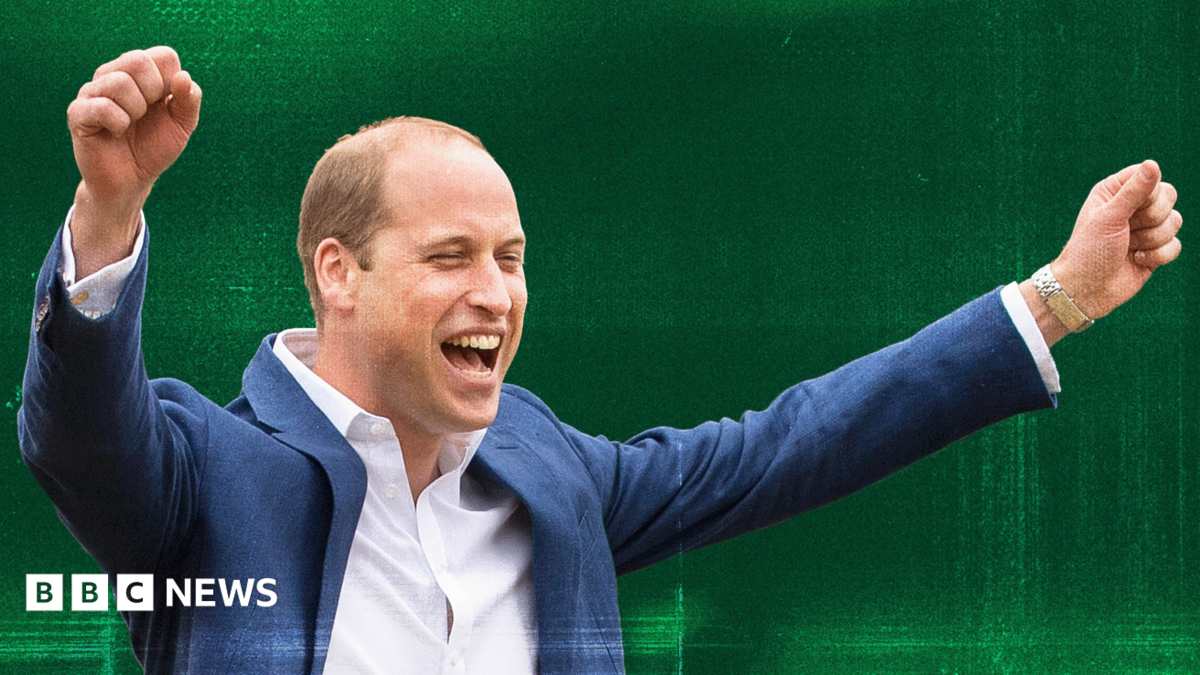
BBC’s feature on Prince William’s football support is not a transfer story in the conventional sense, but it still speaks to the wider cultural power of the game. When a future king is described as staying up in Windsor in the early hours to watch England beat Mexico, it reinforces how football reaches far beyond club rivalries and into the national mood.
For supporters, that matters because it shows the sport’s ability to cut across class, geography and status. England matches already carry a heavy emotional charge, and the image of the Prince of Wales following the action alongside millions of other fans adds another layer to that shared experience. It is a reminder that football’s biggest nights are watched not only in pubs, living rooms and stadiums, but also in the most closely observed corners of public life.
Why this story resonates beyond royalty
The BBC feature, titled Loyal and royal: How the future King became a football superfan, places Prince William within a familiar footballing tradition: the public figure who is also a genuine supporter. That distinction matters. In an era when celebrity association with football can feel manufactured, stories like this work because they are rooted in long-term interest rather than short-term image management.
For England, any high-profile show of support can help amplify the sense of occasion around international fixtures. The national team’s results are always measured against expectation, and a win over Mexico will have been welcomed not just for the scoreline itself, but for the momentum it can create around the squad. Even without a detailed tactical breakdown in the source, the broader implication is clear: victories in these matches are part of building confidence, rhythm and public belief.
What it means for England fans
There is also a practical side to this kind of coverage. When a major public figure is openly invested in football, it helps keep the game in the national conversation between tournaments and major club weekends. That can be especially useful for England, whose supporters often want signs that the team still matters emotionally at the highest level.
For News Goal readers, the significance is less about royal protocol and more about what it says regarding football’s place in modern Britain. The sport remains one of the few shared cultural reference points capable of drawing in people from every background. A late-night England watch in Windsor is simply one more example of that reach.
In transfer terms, there is no market movement here, but there is still a football story worth noting: the game’s influence is so deep that even the heir to the throne is part of its audience. That is a powerful reminder of why football remains central to public life, and why England’s results continue to carry meaning well beyond the pitch.
Source note: This article was prepared using publicly available information from BBC Sport and expanded with editorial context.
Share this content: