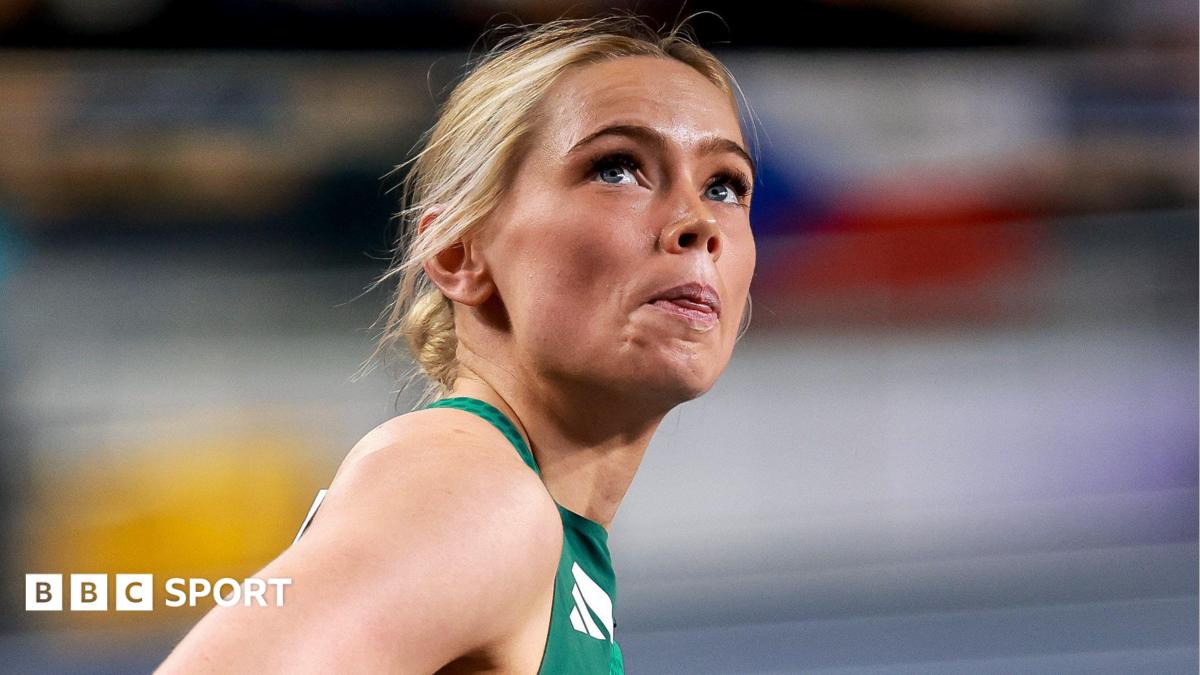
Northern Ireland sprinter Roy has described his Commonwealth Games omission as feeling like a punishment, after it emerged he will not be taking to the starting blocks in Glasgow when the event begins in July. The BBC report is brief, but the significance is clear: for a leading athlete, missing a major multi-sport stage is not just a selection disappointment, it can shape an entire season’s momentum.
For sprinters, the Commonwealth Games is one of the most visible opportunities to test themselves against elite opposition in a championship environment. Being left out can affect rhythm, confidence and public perception, especially when the athlete in question is regarded as Northern Ireland’s leading sprinter. The language used by Roy suggests the decision has landed heavily, and that the omission is being felt as more than a routine squad call.
What the omission means for Roy
Without additional detail from the source on the selection process, the reasons behind the decision cannot be verified here. What can be said is that the timing matters. With the Games due to begin in July, athletes are usually entering a phase where training blocks, race planning and peak conditioning are aligned around the championship calendar. Missing that target can leave a gap in competitive opportunities and disrupt the build-up that sprinters rely on to sharpen form.
For supporters in Northern Ireland, the omission is likely to be disappointing as well as contentious. Major events such as the Commonwealth Games often serve as a rare chance to see home athletes on a prominent international stage, and Roy’s absence removes one of the region’s most recognisable track names from the line-up in Glasgow.
Why this matters beyond one selection call
In athletics, selection decisions can carry long-term consequences. They can influence funding conversations, future team opportunities and the athlete’s relationship with governing structures, even when the immediate issue is simply one Games squad. Roy’s comment indicates a sense of grievance, which may prompt further scrutiny if more details emerge about the criteria used to decide the team.
At the same time, the story underlines how unforgiving elite sport can be. A sprinter’s career is built around small margins, and missing a major championship can feel especially harsh when the athlete believes they belong on the start line. For now, the key fact is straightforward: Northern Ireland’s leading sprinter will not compete in Glasgow, and Roy says the omission feels like punishment.
Any fuller assessment will depend on whether the selection body explains its reasoning or whether Roy provides more context on his reaction. Until then, the story stands as a reminder that behind every team announcement is an athlete measuring not just selection, but status, opportunity and the chance to perform when the spotlight is brightest.
Source note: This article was prepared using publicly available information from BBC Sport and expanded with editorial context.
Share this content: