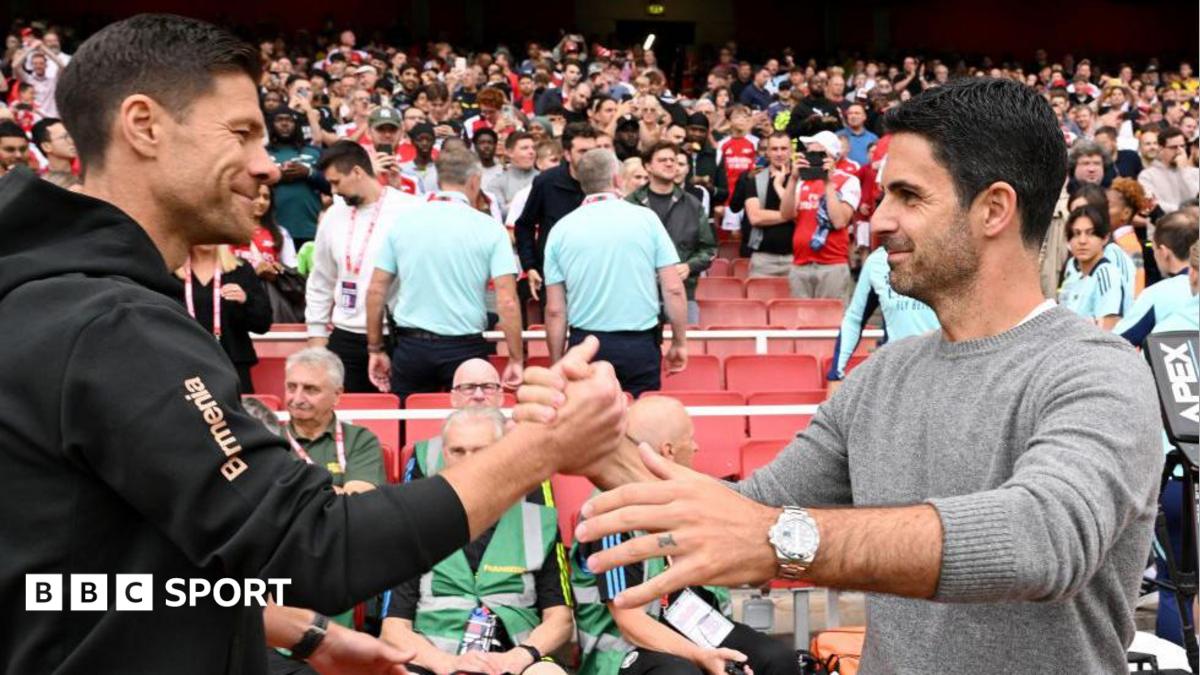
Few football stories underline the sport’s long memory quite like the one behind Mikel Arteta, Xabi Alonso and Andoni Iraola. According to BBC Sport, the three coaches who now sit among the most prominent names in elite football all trace their connection back to the same tiny club in the Basque Country, where they were sharing a gravel pitch at the age of eight.
That detail matters because it speaks to more than nostalgia. It is a reminder that modern football’s coaching elite is not always forged in the glare of top academies or expensive development centres. Sometimes it begins in local environments where technical habits, competitiveness and football intelligence are shaped early, long before the wider game takes notice. For supporters, especially those at clubs led by these managers, it adds another layer to the way their teams are built and understood.
A Basque football pipeline with real influence
Arteta, Alonso and Iraola are now associated with some of the biggest jobs in the game, and their rise reflects the strength of Basque football culture more broadly. The region has long been known for producing intelligent, tactically aware players and coaches, and this shared background helps explain why so many observers view Basque football as a genuine footballing ecosystem rather than just a talent pool.
What makes this story stand out is the contrast between scale and outcome. A small club on a gravel pitch is hardly the kind of place most people would expect to produce three managers with major reputations, yet that is exactly what has happened. It suggests that football education can be as much about environment, identity and repetition as it is about facilities.
Why this matters for supporters now
For fans of clubs coached by Arteta, Alonso and Iraola, the shared origin story offers useful context for the style and personality each man brings to the touchline. Even without over-reading the similarities, it is fair to say that early footballing experiences often leave a lasting imprint on how coaches see the game, how they value structure, and how they communicate with players.
In a sport that often chases the newest trend, stories like this are valuable because they show continuity. The road to the top can begin in the most ordinary of places, and sometimes the most influential football ideas are formed far away from the spotlight. BBC Sport’s report on this Basque connection is a timely reminder that football’s future leaders are often shaped by the same humble settings that produced its past greats.
Source note: This article was prepared using publicly available information from BBC Sport and expanded with editorial context.
Share this content: