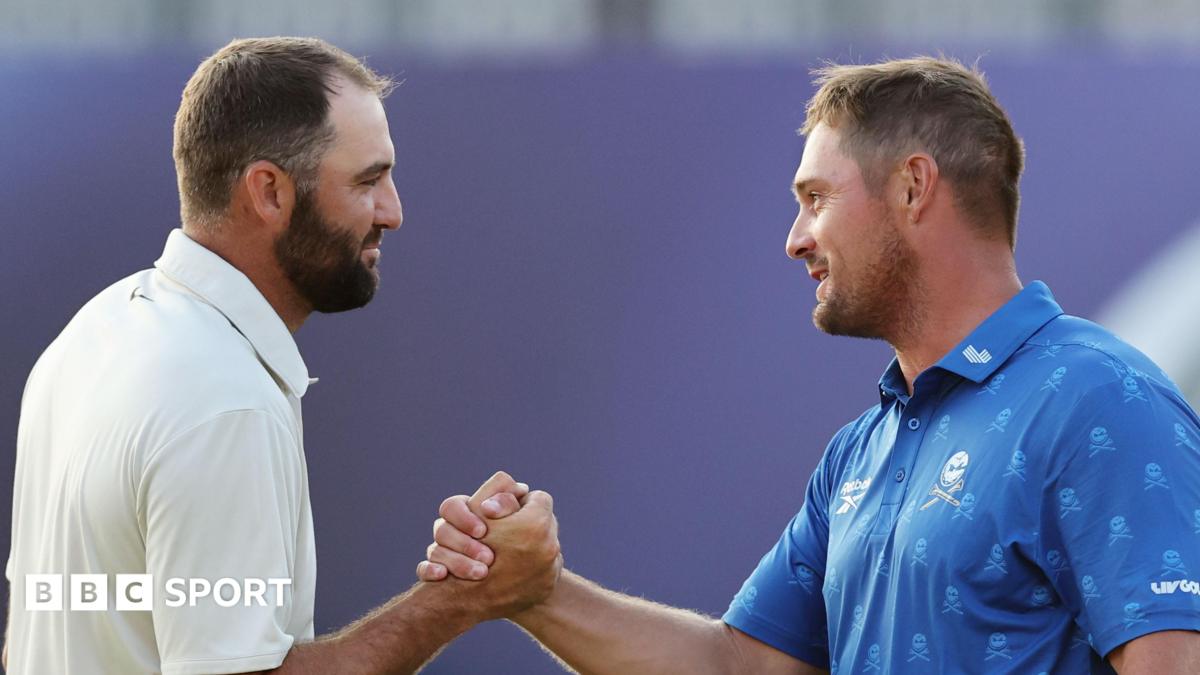
Scottie Scheffler has stepped into the debate surrounding Bryson DeChambeau after the rules incident that overshadowed The Open, insisting the American is “definitely not a cheater”. The world number one’s comments add a notable voice to a discussion that has moved beyond one moment on the course and into a wider argument about how golf should handle video review, player responsibility and the balance between tradition and modern scrutiny.
Scheffler’s intervention matters because it comes from one of the sport’s most respected figures and from a player who is currently at the top of the world rankings. When the game’s leading player says the evidence was not clear enough to support a harsh judgement, it inevitably shapes the tone of the conversation. His view was that the replay angles were not conclusive, a reminder that golf’s increasingly televised and replay-heavy environment can create certainty where the footage itself may not actually provide it.
What Scheffler’s comments mean for the rules debate
The Open has long been a stage where the sport’s traditions are tested against modern expectations. In this case, the issue is not only whether a rules breach occurred, but how such incidents are assessed in an era when every movement can be slowed down, zoomed in and debated online. Scheffler’s suggestion that golf may need stricter policing points to a broader tension: players want fairness, but they also want consistency and clarity when marginal calls are made under intense scrutiny.
For supporters, the story is significant because it touches on the credibility of competition. Fans want the best players to be judged fairly, but they also expect the rules to be applied firmly. Scheffler’s comments do not dismiss the controversy; instead, they frame it as a problem of process rather than personal integrity. That distinction is important in a sport where reputation, etiquette and trust still carry enormous weight.
Why the DeChambeau discussion resonates beyond one incident
DeChambeau has often been one of golf’s most polarising figures, which is why any rules-related flashpoint around him tends to attract extra attention. But Scheffler’s defence shifts the focus away from personality and toward the standards used to judge players in real time. In practical terms, that means the conversation now sits at the intersection of officiating, technology and the sport’s long-standing desire to preserve its own character.
For golf followers, the key takeaway is that this is not just about one player or one tournament. It is about how the game wants to be seen: as a sport rooted in honour and self-policing, or as one that must adapt to a more forensic modern era. Scheffler’s remarks suggest that both ideas may need to coexist, but only if the sport is prepared to tighten its approach when the evidence is unclear and the stakes are high.
Source note: This article was prepared using publicly available information from BBC Sport and expanded with editorial context.
Share this content: