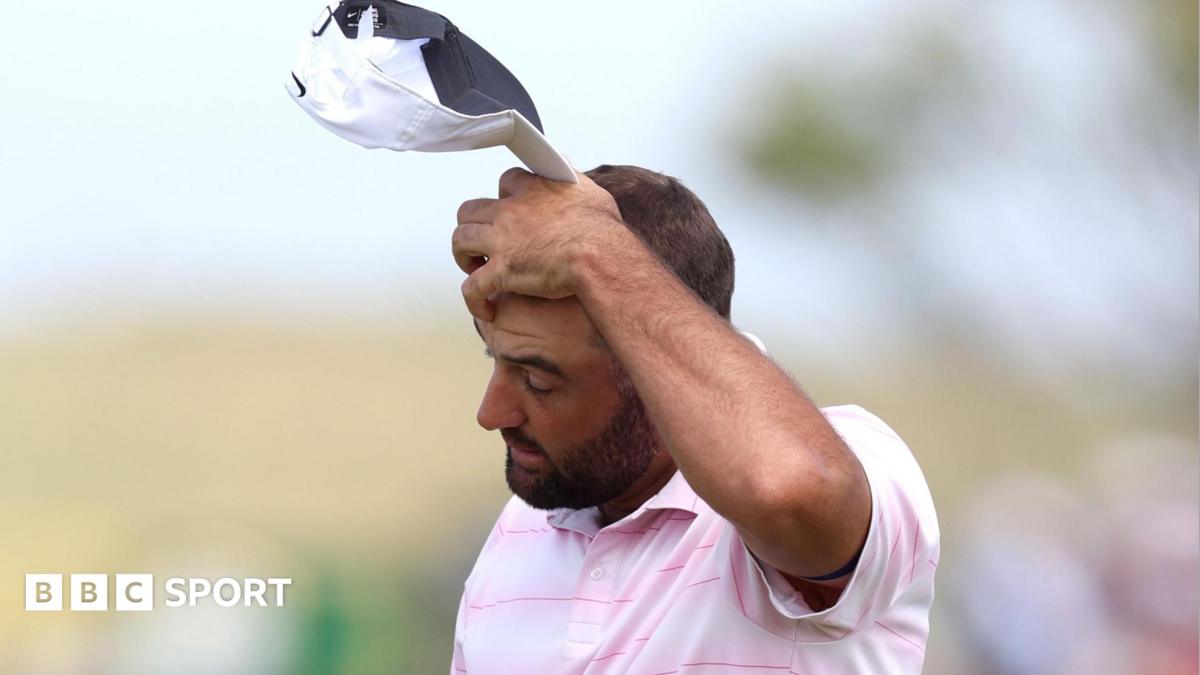
Scottie Scheffler’s surprise exit from the Genesis Scottish Open is notable not because one poor week defines him, but because it is so unusual. The world’s most consistent player has built his reputation on making weekends, absorbing pressure and staying in contention even when his best golf is not fully present. A missed cut, especially the first in four years, is therefore a genuine talking point rather than a routine off week.
For supporters and observers, the result is a reminder of how unforgiving elite golf can be. At the very top of the game, the difference between a player who looks untouchable and one who is heading home early can be a handful of shots over 36 holes. The Genesis Scottish Open, staged in conditions that often reward patience and precision, can expose any weakness in rhythm, putting or course management. Scheffler’s early departure suggests that even the most complete players are not immune when the margins tighten.
What the missed cut means for Scheffler
There is no reason to overstate the setback. Scheffler’s broader form and standing in the game remain intact, and one missed cut does not alter the fact that he is still one of the leading figures in world golf. But the timing matters. A rare failure to progress into the weekend interrupts the kind of relentless consistency that has become central to his identity.
That makes the psychological angle important. The source quote, “Things are feeling good. I’m in a good mental space and just need to keep it going,” points to a player who is not searching for excuses and is still framing his game in positive terms. Even so, the result shows that confidence alone does not guarantee control over every round. In a tournament like the Scottish Open, where the field is deep and the course can punish small errors, a player can be in decent mental shape and still find himself on the wrong side of the cut line.
Why this matters for the rest of the field
Scheffler’s absence from the weekend also changes the competitive picture. Whenever a player of his calibre exits early, the door opens slightly for the rest of the field, especially those trying to build momentum ahead of bigger summer tests. For rivals, it is a reminder that the hierarchy at the top is strong but not unbreakable. For fans, it adds an extra layer of intrigue to a tournament that already carries significance as a high-level test in a links-style environment.
From a broader perspective, this is the sort of result that can sharpen a champion. The best players often respond to rare setbacks by tightening the details that matter most: driving accuracy, approach play and putting under pressure. Scheffler’s missed cut will not define his season, but it does add a fresh storyline to a campaign that has otherwise been built on reliability. In that sense, the Scottish Open has delivered an early reminder that even the game’s most dependable name can be caught out when the conditions and the scoring demand perfection.
Source note: This article was prepared using publicly available information from BBC Sport and expanded with editorial context.
Share this content: