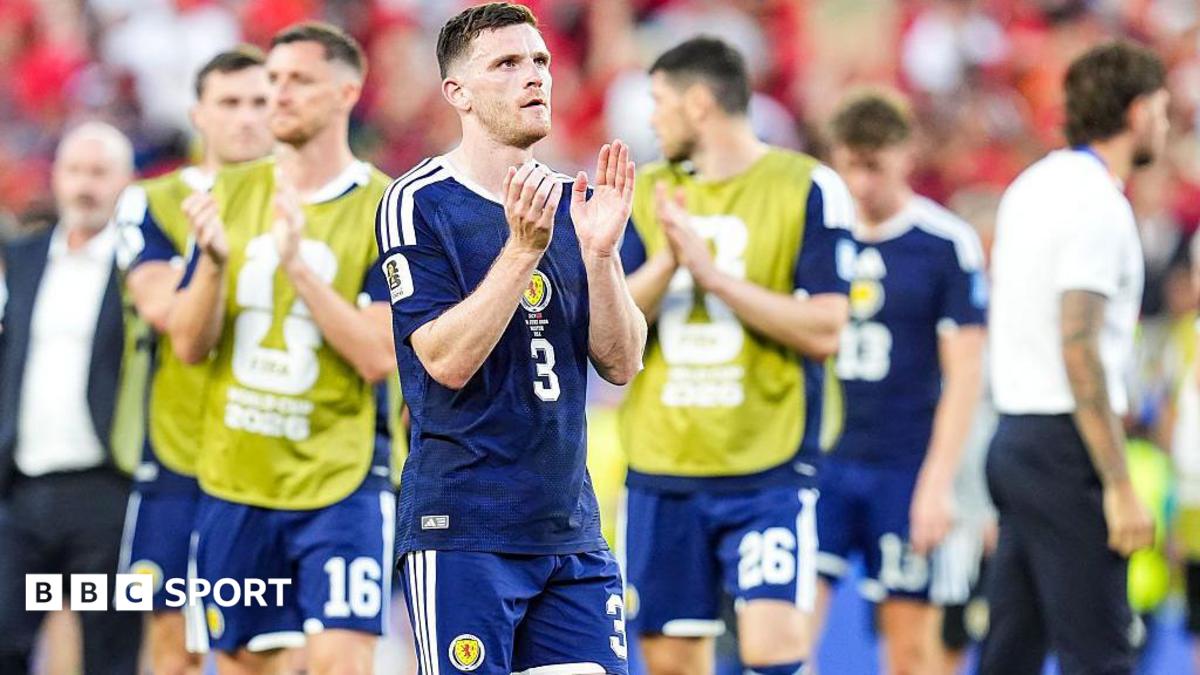
Scotland’s route through an expanded World Cup is shaped by a format that gives more teams a second life than ever before. With 32 of the 48 entrants moving into the knockout stage, the margin for survival is wider than in previous tournaments, and that changes the meaning of every group-stage result.
BBC Sport’s latest piece focuses on a simple but important question: what are Scotland’s chances of progressing as one of the third-place finishers? That is not a headline built around a single match or a dramatic late twist, but it does speak to the new reality of the competition. In a tournament where finishing third can still be enough, teams are not only chasing wins; they are also managing goal difference, points totals and the broader shape of the group table.
Why third place matters more in this format
For supporters, the key takeaway is that Scotland’s path is less binary than it once was. In older World Cup formats, a slow start could be fatal. Now, a team that fails to finish in the top two of its group may still have a route into the knockout rounds if its third-place record stacks up well enough against other groups. That makes every point potentially decisive, especially in tightly contested sections where one draw or one late goal can alter the entire picture.
The BBC’s framing also underlines how the expanded tournament changes tactical thinking. Teams may be more willing to protect a narrow lead, knowing that a third-place finish can still be useful, while others may push harder for goals to improve their standing in the wider comparison between groups. For Scotland, that means the group stage is not just about direct qualification, but about staying alive in the broader race across the tournament.
What supporters should watch for
There are no guarantees in this system, and the article does not offer a definitive forecast. But it does confirm that Scotland’s prospects should be judged in the context of the new 48-team structure rather than the old, harsher model. That matters for fans because it keeps hope alive deeper into the group stage, even if results do not immediately place Scotland among the top two.
BBC Sport also points readers toward its new World Cup predictor game, reinforcing the idea that qualification scenarios are now more complex and more interactive for fans following the tournament. For Scotland supporters, the practical lesson is straightforward: third place may no longer feel like failure if the numbers are good enough to carry the team through.
Source note: This article was prepared using publicly available information from BBC Sport and expanded with editorial context.
Share this content: