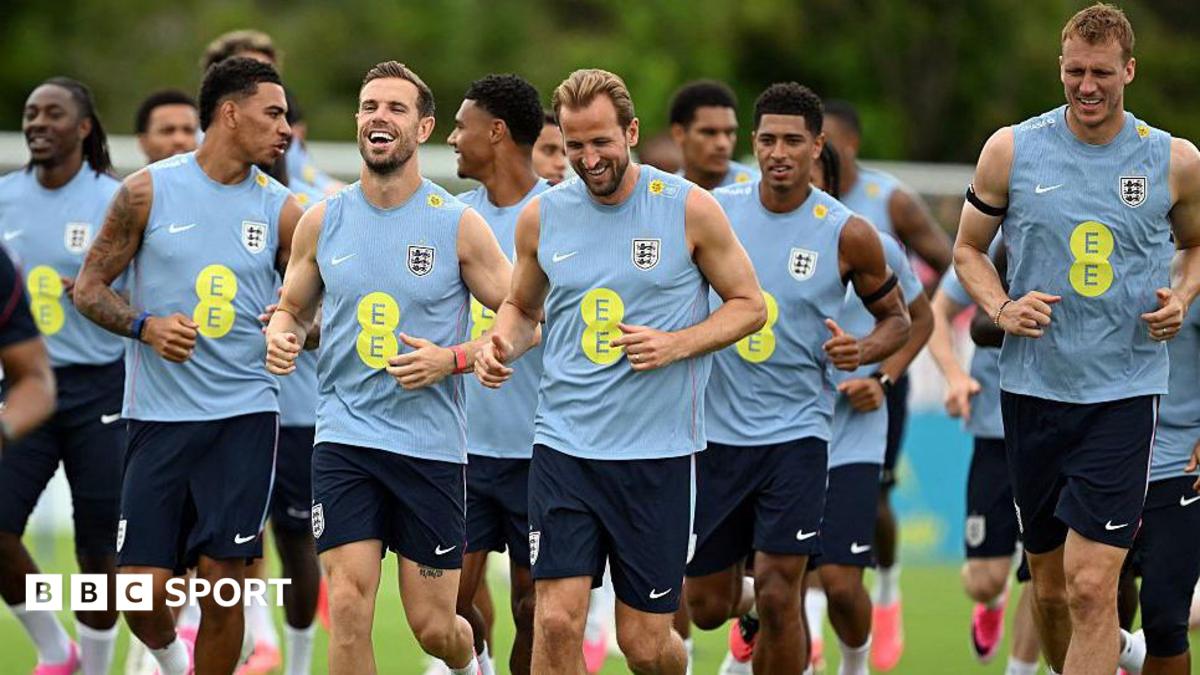
England’s World Cup story is usually told through tactics, selection calls and the pressure of tournament football, but BBC Sport’s report on the camp’s downtime offers a useful reminder that elite squads are also built away from the pitch. According to the source, the players have been spending their spare time playing Wolf, SkyJo and Imposter while the group stage has centred on matches against Croatia, Ghana and Panama.
That detail may sound light-hearted, but it speaks to something every successful international side needs: cohesion. In a short tournament, where players have limited time together and little margin for error, the ability to relax, communicate and build trust can matter almost as much as the work done on the training ground. For supporters, it is a small but revealing insight into the culture around Gareth Southgate’s England setup.
Why camp games matter in tournament football
Teams at major tournaments often look for ways to keep the environment balanced. Too much intensity can drain players, while too much downtime can leave a squad flat. Games such as SkyJo and Wolf can help create a shared routine, especially in a camp where players come from different clubs, systems and dressing-room cultures. That kind of social glue does not win matches on its own, but it can help a squad stay connected when results or performances become stressful.
England’s group-stage challenge has been to manage expectations while keeping focus on the football itself. The BBC report places the off-field games alongside the on-field task, suggesting that the camp is trying to maintain a healthy atmosphere during a demanding tournament schedule. For a team under constant scrutiny, that balance is important.
What this means for England supporters
For fans, the story is less about the rules of SkyJo and more about what the choice of games says about the squad. It suggests a group looking for normality, interaction and a bit of competition away from the glare of tournament football. That can be especially valuable in a World Cup setting, where every session and every result is analysed.
The wider implication is straightforward: England are not only trying to get their game right on the pitch, they are also trying to keep the dressing room in the right place mentally. If the mood stays positive, the hope is that it will support sharper decision-making and better collective understanding when the matches become more difficult.
BBC Sport’s piece is not a tactical deep dive, but it does offer a meaningful snapshot of tournament life. In a World Cup camp, the smallest routines can help shape the bigger picture, and England’s off-field games are part of that process.
Source note: This article was prepared using publicly available information from BBC Sport and expanded with editorial context.
Share this content: