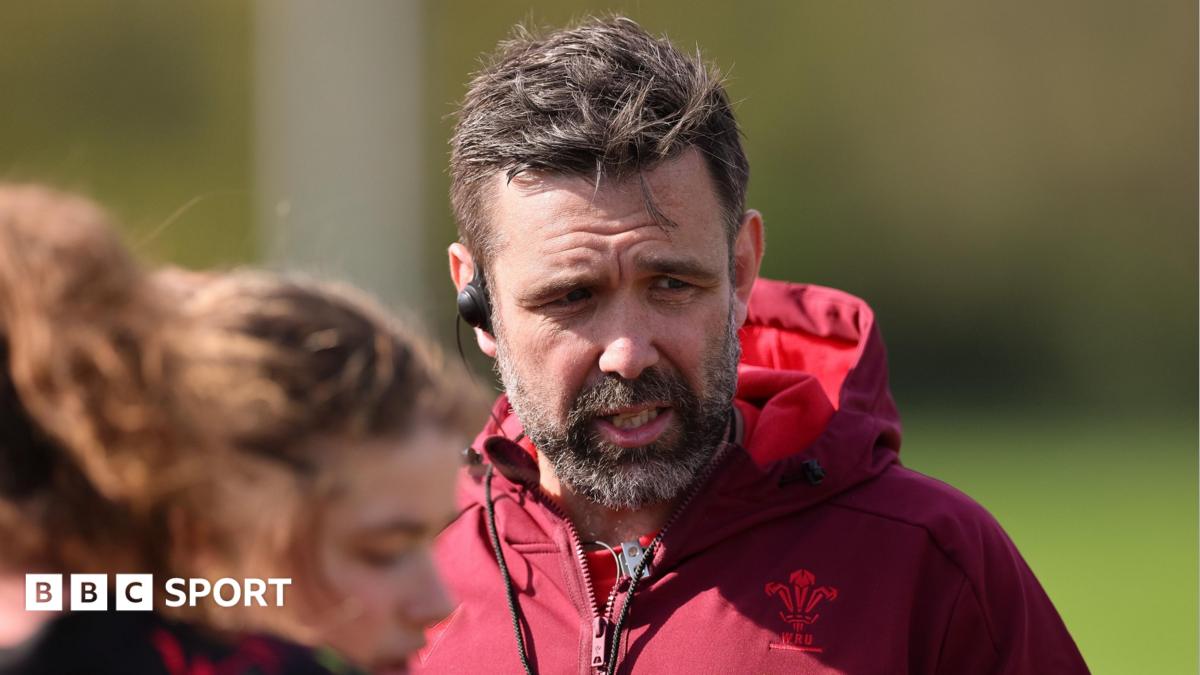
Steve Salvin’s move from Exeter to Wales is a notable coaching shift for two organisations at very different points in their development. For Wales, the appointment of a full-time forwards coach underlines the importance of sharpening set-piece detail and breakdown work, areas that often decide Test matches at the highest level. For Exeter, his departure arrives at the start of a new ownership era, which could shape how quickly the club can respond and what kind of replacement they target.
What Salvin’s move means for Wales
Wales adding a dedicated forwards coach is a practical step rather than a headline-grabbing one, but it can have a real impact. International rugby is increasingly defined by small margins in the scrum, maul and contact area, and a specialist role suggests a clear focus on improving consistency in those phases. Salvin’s move gives Wales a coach whose attention can now be fully directed toward the pack, rather than split between club and country responsibilities.
For supporters, that matters because the forwards are often the foundation of any broader tactical identity. If Wales can become more reliable in the tight exchanges, it can free the backs to play with more confidence and reduce the pressure on the team to chase games through low-percentage attacking rugby.
Exeter face an early test under new ownership
At Exeter, the timing is significant. The club’s new American owners are taking over this week, and the expectation is that fresh resources may be available as the Black Knight Rugby era begins. That does not automatically guarantee a quick or easy appointment, but it does mean Exeter may be able to act decisively if they want to reshape the coaching structure.
Any coaching departure at the start of a new ownership cycle becomes more than a staffing change. It becomes part of the club’s wider identity question: whether Exeter want continuity, or whether they see this as a chance to reset and modernise. The next appointment will be watched closely because it will offer an early clue about the direction the new regime wants to take.
Why this matters beyond the immediate move
Even though this is a rugby story rather than football, the underlying sporting logic is familiar: coaching changes can alter momentum, recruitment priorities and long-term planning. For Wales, the benefit is clarity and specialisation. For Exeter, the challenge is replacing a key figure while navigating a change in ownership and expectations.
Supporters on both sides will now be looking for the next step. Wales will want to see whether the new structure translates into more authority in the forwards. Exeter, meanwhile, will be judged on how quickly and how intelligently they respond to a departure that arrives at a sensitive moment.
Source note: This article was prepared using publicly available information from BBC Sport and expanded with editorial context.
Share this content: