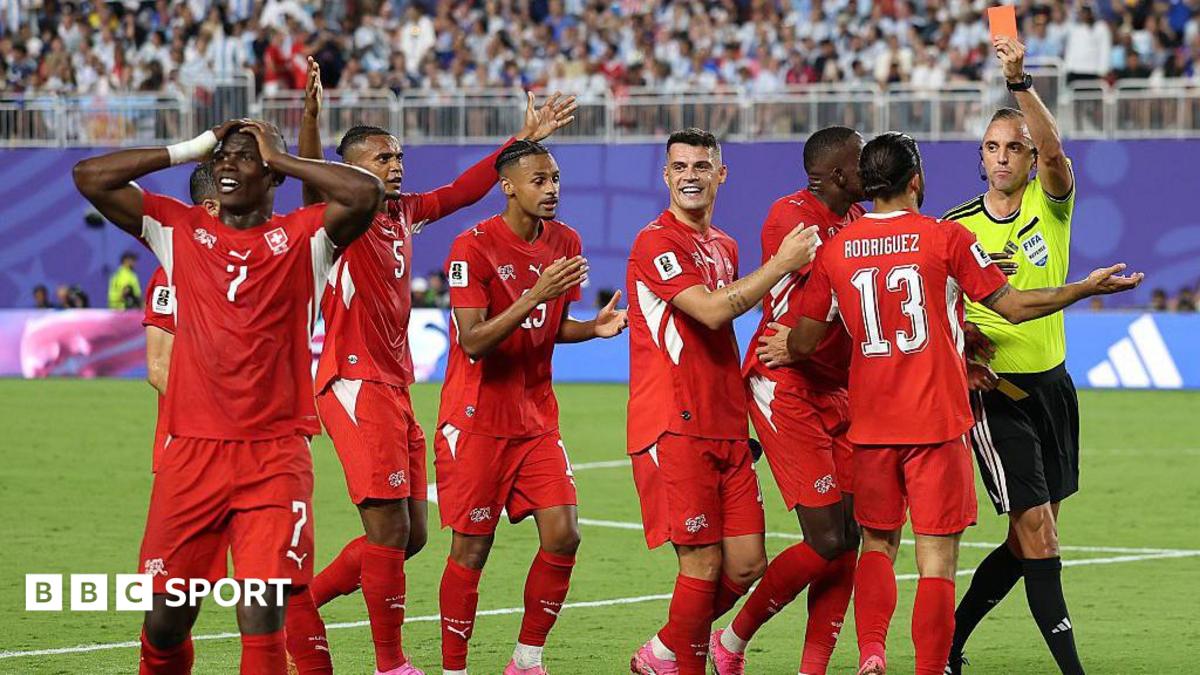
UEFA has drawn a clear line over one of football’s most contentious grey areas: simulation will not be a VAR matter in the way it was treated at the 2026 World Cup. According to the BBC report, UEFA has instructed its video assistant referees not to consider possible diving as mistaken identity, meaning the responsibility for judging whether a player has gone down too easily remains with the on-field officials.
Why the decision matters
For supporters, the ruling is significant because diving decisions often sit at the intersection of discipline, game management and emotion. A penalty awarded for a foul that never happened can change a match instantly, but so can a second yellow card or dismissal for simulation. UEFA’s stance suggests it wants to avoid VAR becoming a tool for re-refereeing subjective contact decisions that are already among the hardest calls in the game.
The move also reflects a broader tension in modern football: technology is expected to reduce clear errors, yet the more it is asked to interpret intent, the more controversial it becomes. Simulation is rarely black and white. Players may exaggerate contact, lose balance under pressure, or go down after minimal touch, and those scenarios are often better judged in real time by the referee who can read body language, pace and context.
What it means for clubs and players
For clubs, UEFA’s position means match preparation remains focused on managing the referee rather than expecting VAR to rescue or overturn borderline diving incidents. Defenders will still need to be disciplined in the box, but attackers cannot assume that every theatrical fall will be reviewed as a separate VAR issue. The practical effect is that the original on-field decision will continue to carry major weight.
It is also a reminder that football’s governing bodies are not moving in lockstep on the use of technology. The 2026 World Cup approach showed one interpretation of how VAR can be used in simulation-related incidents, but UEFA has opted for a narrower application. That difference matters because it shapes how players behave, how referees are trained and how fans understand the limits of video review.
For now, the message from UEFA is straightforward: VAR is not there to second-guess every suspected dive. The final call stays with the referee, and that will suit some who want faster, cleaner decisions, while frustrating others who believe technology should be used more aggressively to punish simulation.
Source note: This article was prepared using publicly available information from BBC Sport and expanded with editorial context.
Share this content: