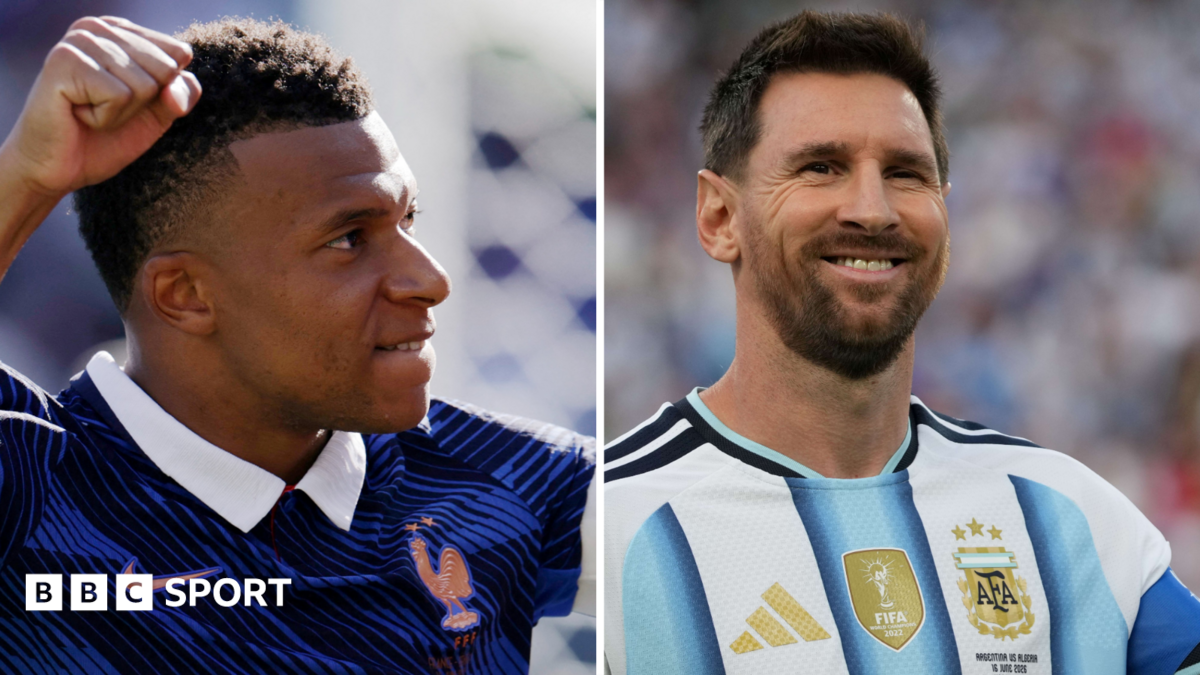
The World Cup is usually judged by the numbers that matter on the pitch: goals scored, points collected and the route into the knockout rounds. But BBC Sport’s latest look at the tournament points to another contest running alongside the football itself — the battle between global brands for attention, relevance and cultural reach.
In that sense, Nike v Adidas is not just a commercial rivalry. It is part of the modern World Cup experience, where the biggest advertisers try to turn a short tournament window into lasting recognition. For supporters, that means the event is no longer only about what happens in 90 minutes. It is also about the stories, images and campaigns that surround the matches and shape the wider conversation.
Why the brand contest matters at the World Cup
The World Cup offers a rare global audience, and that makes it one of the most valuable stages in sport for sponsors and kit manufacturers. Brands do not simply want to sell products during the tournament; they want to be remembered after it ends. That is why the advertising battle can become as carefully planned as a tactical setup on the field.
For Nike and Adidas, the rivalry carries extra weight because both brands are deeply embedded in football culture. Their presence is visible through kits, sponsorships and marketing campaigns, and the World Cup magnifies every decision. A strong campaign can reinforce a brand’s identity with fans across continents, while a weak one risks being lost in the noise of the tournament.
What it means for supporters and the wider game
BBC’s framing also reflects a broader truth about modern football: the sport is now consumed as an entertainment product as much as a competition. Supporters may come for the football, but they are also exposed to a constant stream of commercial messaging, from televised spots to digital campaigns built around the tournament’s biggest moments.
That does not diminish the football itself. Instead, it shows how the World Cup has become a platform where sporting success and brand visibility are closely linked. For fans, the upside is that the tournament often produces memorable creative work alongside memorable matches. The downside is that the commercial battle can sometimes feel as intense as the footballing one.
As the tournament progresses, the real test for brands will be the same as for teams: staying relevant when the pressure rises. In a World Cup environment, attention is scarce and every moment counts. Nike and Adidas are competing not just for market share, but for cultural ownership of football’s biggest stage.
Source note: This article was prepared using publicly available information from BBC Sport and expanded with editorial context.
Share this content: