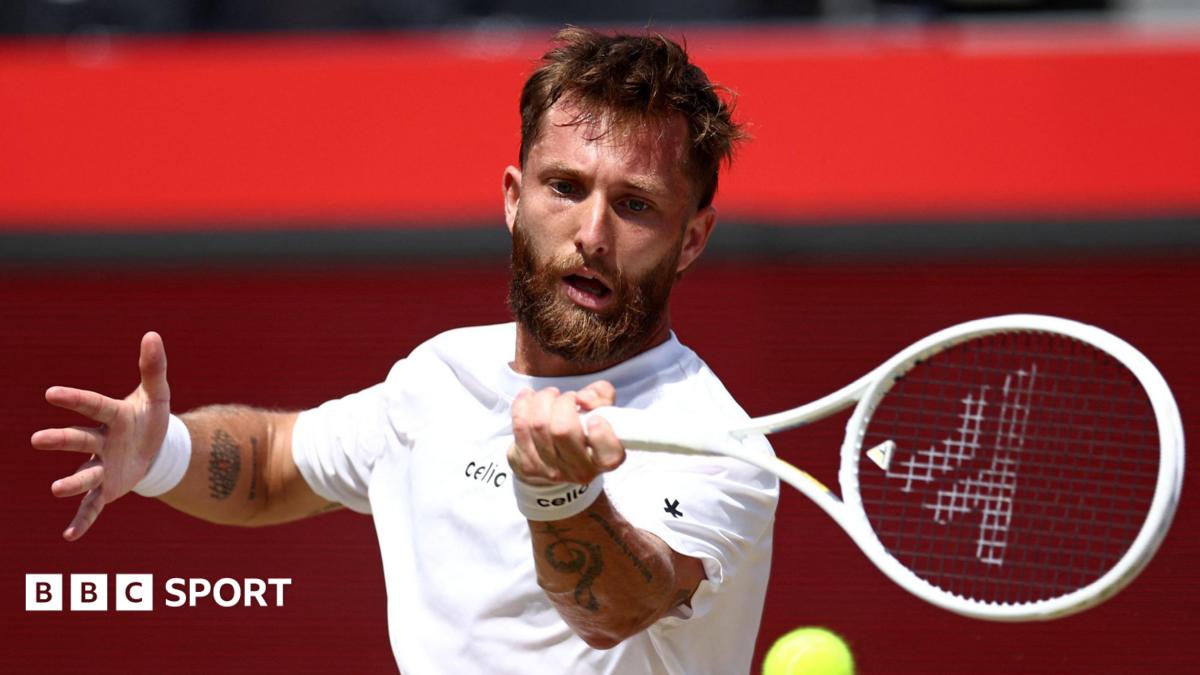
Corentin Moutet’s Queen’s week has ended with a financial sting that will be felt well beyond the grass courts. The Frenchman has been fined $40,000 (£30,325) after swearing seven times during a live BBC television interview, a sanction that has effectively wiped out almost all of his prize money from the tournament.
For a player outside the very top tier of the sport, that kind of penalty matters. Prize money at ATP events is not just a reward for results; it is part of the operating budget for travel, coaching, recovery and the constant grind of the tour. Losing most of a tournament payout because of a broadcast interview incident is a reminder that discipline off court can be as costly as a poor performance on it.
What the fine means for Moutet
The BBC report makes clear that the punishment was triggered by repeated swearing in a live interview, not by anything that happened during play. That distinction matters because it places the issue in the realm of conduct and professionalism rather than match behaviour. Tournament organisers and governing bodies have long treated public-facing interviews as part of the sport’s image, especially at a prestigious event like Queen’s, where the build-up to Wimbledon brings extra attention.
For Moutet, the immediate consequence is financial, but the wider impact is reputational. Players are increasingly judged not only on results but on how they handle the spotlight. A live interview is a small moment, yet it can travel quickly and become part of a player’s public profile. In that sense, the fine is both a punishment and a warning.
Why Queen’s matters in the bigger picture
Queen’s is one of the key grass-court stops in the calendar and a traditional indicator of form heading into Wimbledon. That gives every storyline around the event extra visibility, including disciplinary issues. When a player’s tournament is remembered more for an interview controversy than for tennis, it can overshadow the sporting narrative and distract from the work done to compete on grass.
Supporters of Moutet will likely see the punishment as severe, especially given the size of the fine relative to his earnings from the event. Others will argue that the sanction reflects the standards expected of players on a live broadcast platform. Either way, the case underlines how tightly modern tennis polices public behaviour, particularly when the sport is under the glare of mainstream television.
There is no suggestion in the BBC report that the fine changes Moutet’s standing as a player, but it does add another layer to a career already known for intensity and unpredictability. The lesson for him, and for others on tour, is straightforward: in elite tennis, the cost of a few words can be far greater than the moment itself.
Source note: This article was prepared using publicly available information from BBC Sport and expanded with editorial context.
Share this content: