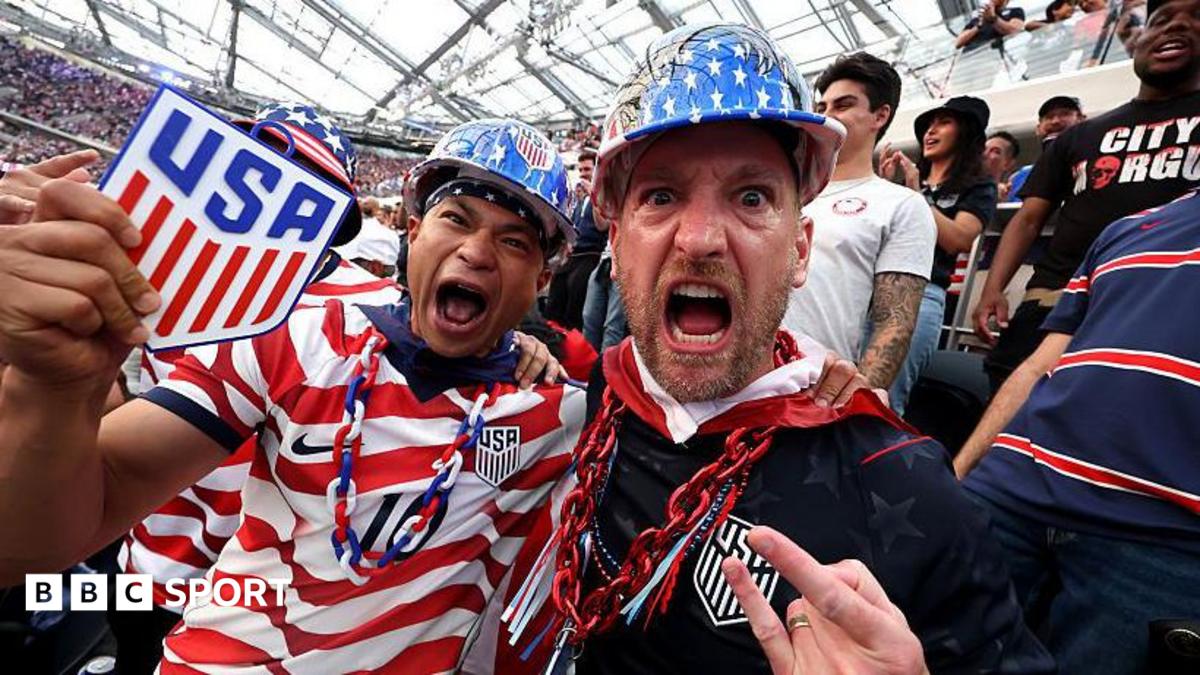
The BBC’s latest football feature turns its attention to a familiar question with fresh relevance: has football fever finally taken hold in the United States? With the World Cup now a few weeks into the competition and the tournament approaching its decisive phase, the piece frames the US not just as a host or a market, but as a country whose relationship with the global game is still being tested in real time.
That matters because the United States has long been viewed as one of football’s biggest growth opportunities. The sport has a strong participation base, a rapidly expanding domestic profile and a commercial ceiling that continues to attract major attention from broadcasters, sponsors and governing bodies. But converting curiosity into lasting cultural attachment is a different challenge altogether. Major tournaments can create spikes in interest; the real question is whether those spikes become habits.
Why the World Cup still matters most
The World Cup remains football’s clearest gateway to new audiences, especially in countries where the sport competes with established domestic traditions. In the US, that means every deep tournament run, every high-profile match and every emotionally charged moment has the potential to widen football’s footprint. The BBC’s framing suggests that this edition of the competition is being watched not only for the football itself, but also for what it reveals about the sport’s place in American culture.
For supporters, that is significant. A stronger football culture in the US can mean more attention, more investment and more visibility for the game at every level. It can also influence how the sport is discussed in mainstream media and how younger fans choose to engage with it. If the World Cup can capture the imagination of casual viewers, the long-term effect could be felt well beyond the final.
What this means for football’s future in America
There is also a broader strategic angle. Football’s growth in the US has implications for international tournaments, club competitions and the sport’s commercial direction. A larger and more engaged American audience strengthens the case for future events, while also increasing pressure on domestic structures to keep pace with demand. The BBC’s question is therefore not just cultural, but economic and sporting.
From a football reporting perspective, the story is less about declaring a breakthrough and more about measuring whether momentum is real. The answer will not come from one headline or one match. It will come from sustained interest, stronger viewing habits and a fan base that remains engaged after the tournament ends. For now, the World Cup is doing what it always does best: giving football a global stage and asking whether new audiences are ready to stay.
Source note: This article was prepared using publicly available information from BBC Sport and expanded with editorial context.
Share this content: