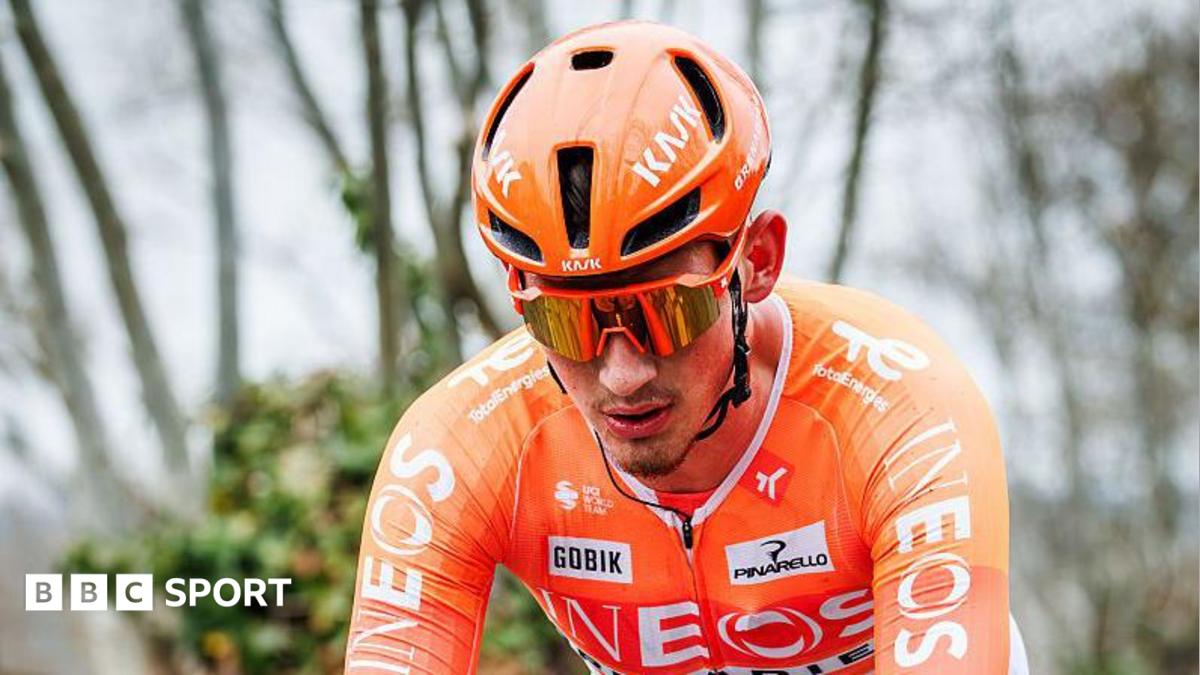
Josh Tarling’s route to the Tour de France has taken an unexpected and dramatic turn. Just three weeks ago, the Ineos Grenadiers rider was in hospital and his participation in cycling’s biggest race looked finished before it had properly begun. Now, he is on course to line up for his first Tour, a turnaround that speaks to both his recovery and the demands of elite stage racing.
For Ineos Grenadiers, Tarling’s availability matters beyond the personal story. The team’s stated priority for him is straightforward: support the squad, gain experience and get through the race. That is often the reality for a young rider at the Tour, where learning how to manage pressure, positioning, recovery and the daily grind can be as valuable as any single result. In that sense, Tarling’s presence would be a small but meaningful boost for a team that will want every available rider contributing across three weeks.
A fast return with bigger implications
Coming back from a hospital stay and into Tour de France contention in such a short window is notable in any sport, but especially in cycling, where preparation is usually built around months of planning. The fact that Tarling’s Tour appeared over only three weeks ago, yet is now back on the table, highlights how quickly circumstances can change in the sport. It also shows why teams often wait before making final calls on riders who are dealing with setbacks.
For supporters, the story is encouraging because it adds another layer to Ineos Grenadiers’ Tour narrative. Rather than a headline about a rider ruled out, this has become one about resilience and recovery. Even if Tarling’s role is largely supportive, first Tour appearances can shape a rider’s development for years. The experience of surviving the race, understanding the pace and absorbing the tactical demands can become the foundation for bigger responsibilities later.
What Tarling’s return means for Ineos
Ineos Grenadiers have long built their Tour de France campaigns around depth, discipline and riders who can execute a clear plan. Tarling fits that model as a young rider whose immediate value is likely to come in service of the team rather than personal ambition. That does not make his potential inclusion any less important. In a race where attrition is constant, simply having another fit rider ready to contribute can influence how a team manages its resources.
There is also a broader sporting significance here. A rider moving from hospital bed to Tour de France in three weeks is a reminder of how unforgiving and unpredictable the professional calendar can be. It is a recovery story, but also a selection story, and one that will interest fans who follow not just the results, but the human side of the sport. If Tarling does make the start, his main task will be clear: help Ineos, learn fast and finish the race.
Source note: This article was prepared using publicly available information from BBC Sport and expanded with editorial context.
Share this content: