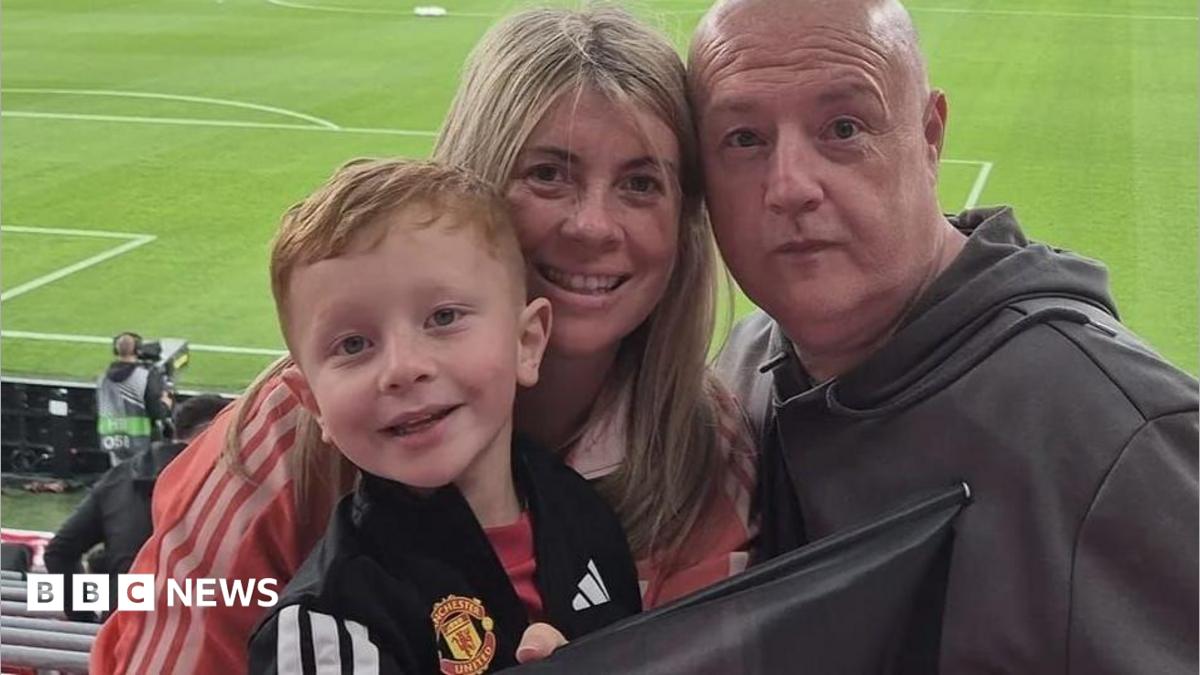
Manchester United’s latest anti-touting measures have drawn attention for an unexpected reason: they have affected a six-year-old former mascot, underlining how aggressively clubs are now trying to police ticket access. According to the BBC report, Katie, 39, from Urmston in Trafford, said her son Ruari has had restrictions placed on his season ticket, leaving her unable to apply for an away ticket for the Premier League opener against Hull.
The case is notable not because it involves a star player or a transfer saga, but because it shows how broad ticketing crackdowns can be when clubs move to protect their allocations. For supporters, especially families who have built their matchday routines around season tickets and away-day applications, the practical impact can be immediate and frustrating. In this instance, a child who has already been part of the club’s matchday experience as a mascot has been caught up in the same enforcement net as suspected touts.
Why clubs are tightening ticket controls
Ticket touting has become a major issue across English football, with clubs under pressure to stop seats being resold at inflated prices and to ensure tickets reach genuine fans. Manchester United are not alone in taking a harder line. The BBC also noted that Liverpool have issued 432 lifetime bans amid their own crackdown, showing that this is part of a wider trend rather than a one-off decision.
For clubs, the logic is straightforward: protect revenue, preserve fairness, and reduce abuse of membership and season-ticket systems. But the downside is equally clear. Automated or blanket restrictions can sweep up legitimate supporters, creating a sense that loyal fans are being punished for problems they did not create. That tension is now central to the debate around ticketing policy in the Premier League.
What it means for supporters
For Manchester United fans, the story lands at a sensitive moment. The club’s relationship with its support base has long been shaped by demand, scarcity and the premium attached to away tickets. Any crackdown that limits access will inevitably raise questions about transparency, appeal processes and whether the club can distinguish between suspicious activity and ordinary family use.
There is also a broader footballing implication. When clubs tighten ticketing systems, they are not just targeting touts; they are reshaping who gets to experience the match in person. That matters for atmosphere, for younger fans coming through, and for the sense of connection that clubs rely on. In Ruari’s case, the BBC report illustrates how quickly a policy designed to stop abuse can affect a supporter who appears to be as far from a tout as possible.
As clubs continue to clamp down, the challenge will be balancing enforcement with fairness. Supporters will want to see action against resale networks, but they will also expect safeguards so that genuine fans, including children, are not left out by mistake.
Source note: This article was prepared using publicly available information from BBC Sport and expanded with editorial context.
Share this content: