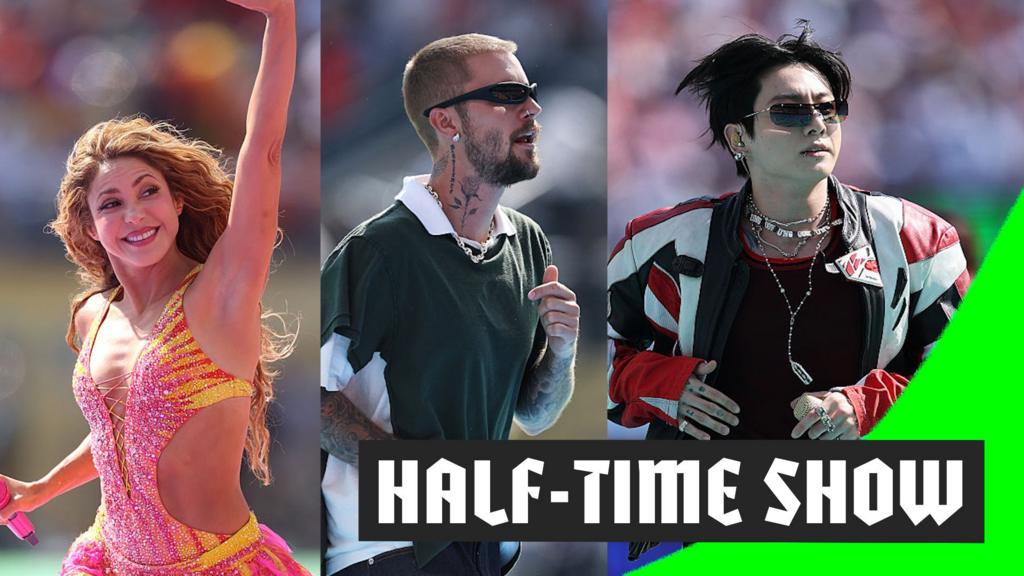
The World Cup final is usually remembered for the football first, but the half-time show in this BBC video highlights how the modern game’s biggest stage has become a global entertainment event as well. With Madonna, BTS, Justin Bieber and Shakira all involved, the spectacle underlined the scale of the occasion and the tournament’s reach far beyond the pitch.
For supporters, that matters because the final is no longer just a 90-minute sporting contest. It is a worldwide broadcast moment designed to capture audiences who may not follow every tactical detail, every pressing trigger or every substitution pattern, but still want to be part of football’s biggest night. The presence of major music names reflects how the World Cup final is packaged as a cultural event as much as a sporting one.
A final built for a global audience
The BBC footage shows the half-time entertainment taking place at the New York New Jersey Stadium, with a special appearance from Ronaldo and Ronaldinho adding extra footballing star power. That combination of music and iconic former players is a reminder of how organisers use recognisable names to broaden the appeal of the final and create a moment that travels across continents.
From a football perspective, these kinds of presentations also speak to the commercial and symbolic weight of the World Cup final. The match itself remains the centrepiece, but the surrounding production now carries real significance. Broadcasters, sponsors and tournament organisers all benefit from a show that can generate conversation well beyond the result.
What it means for fans and the game
For traditionalists, half-time entertainment at a World Cup final can feel secondary to the football. Yet for many supporters, especially younger audiences and casual viewers, it is part of what makes the event feel like a once-in-a-generation occasion. The blend of global pop culture and football heritage helps explain why the final commands such a huge audience.
There is also a broader message here about football’s place in modern sport. The biggest matches are now expected to deliver drama on the pitch and spectacle off it. That does not change the importance of the result, but it does show how the game’s elite events are increasingly designed to be shared, clipped, discussed and remembered as moments of entertainment as well as competition.
In that sense, the BBC video captures more than a half-time show. It captures the scale of the World Cup final itself: a match where the football is central, but where the occasion is built to resonate far beyond the stadium.
Source note: This article was prepared using publicly available information from BBC Sport and expanded with editorial context.
Share this content: